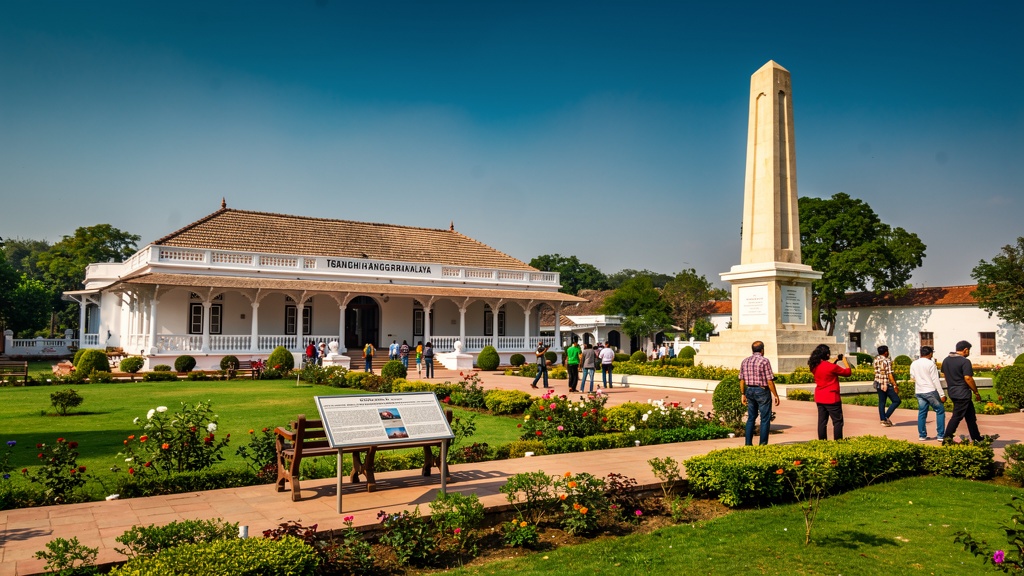
The Champaran Satyagraha (1917)
In 1917, Mahatma Gandhi arrived in Motihari at the invitation of local peasant leader Raj Kumar Shukla to investigate the exploitation of indigo farmers under the British Tinkathia system.
What began as a fact-finding mission turned into India's first experiment with Satyagraha — non-violent civil disobedience. Gandhi was ordered to leave the district by the British magistrate, but he refused, accepting arrest instead. His court appearance in Motihari on April 18, 1917, became a landmark moment in Indian history.
The movement forced the British to abolish the exploitative Tinkathia system and established Gandhi as a national leader. The Champaran Satyagraha laid the groundwork for all future independence movements across India.
Key figure: Raj Kumar Shukla — the indigo farmer who persistently invited Gandhi to Champaran.
Historical Timeline
Mauryan Era
Emperor Ashoka erects the famous polished sandstone pillar at Lauriya, near Motihari, spreading Buddhist teachings across his vast empire.
Kesariya Stupa Flourishes
One of the largest Buddhist stupas in the world is built and expanded at Kesariya, just 45 km from Motihari. It remains a major Buddhist pilgrimage site.
George Orwell Born in Motihari
Eric Arthur Blair, known to the world as George Orwell, is born on June 25 in Motihari, where his father served in the Opium Department of the British Civil Service.
Champaran Satyagraha
Mahatma Gandhi arrives in Motihari on April 10. After being ordered to leave, he refuses and is arrested on April 18. This becomes India's first Satyagraha.
Gandhi Sangrahalaya Established
Gandhi Sangrahalaya, a museum dedicated to the Champaran Satyagraha and Gandhi's life, opens in Motihari to preserve the legacy of the movement.
Centenary Celebrations
The 100th anniversary of the Champaran Satyagraha is celebrated with national events, new memorials, and renewed interest in Motihari's heritage.
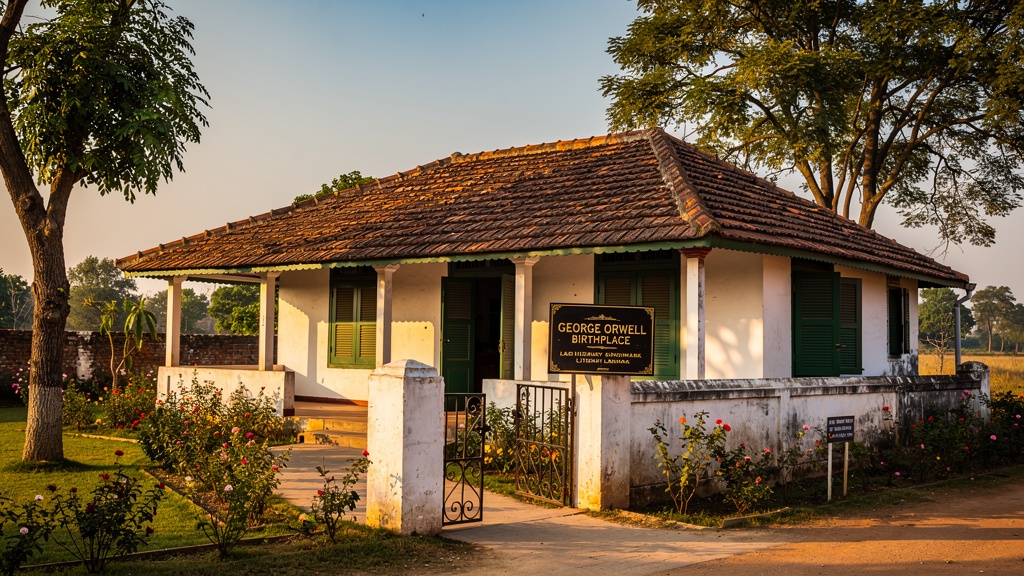
George Orwell's Birthplace
Motihari holds a unique place in literary history as the birthplace of Eric Arthur Blair (1903–1950), better known as George Orwell — the author of Nineteen Eighty-Four and Animal Farm.
Orwell was born on June 25, 1903, in a bungalow in Motihari where his father, Richard Walmesley Blair, worked as a sub-deputy opium agent in the British Civil Service. Though the family moved to England when Orwell was just one year old, the town has forever claimed a connection to the legendary writer.
Today, the site of Orwell's birthplace features a commemorative plaque and is of great interest to literary tourists from around the world. While the original bungalow has undergone changes, ongoing preservation efforts aim to honor this important literary landmark.
Did you know? Orwell's full name was Eric Arthur Blair. He adopted the pen name "George Orwell" for his literary works.
Ancient & Buddhist Heritage
Motihari is the gateway to some of India's most significant ancient sites.
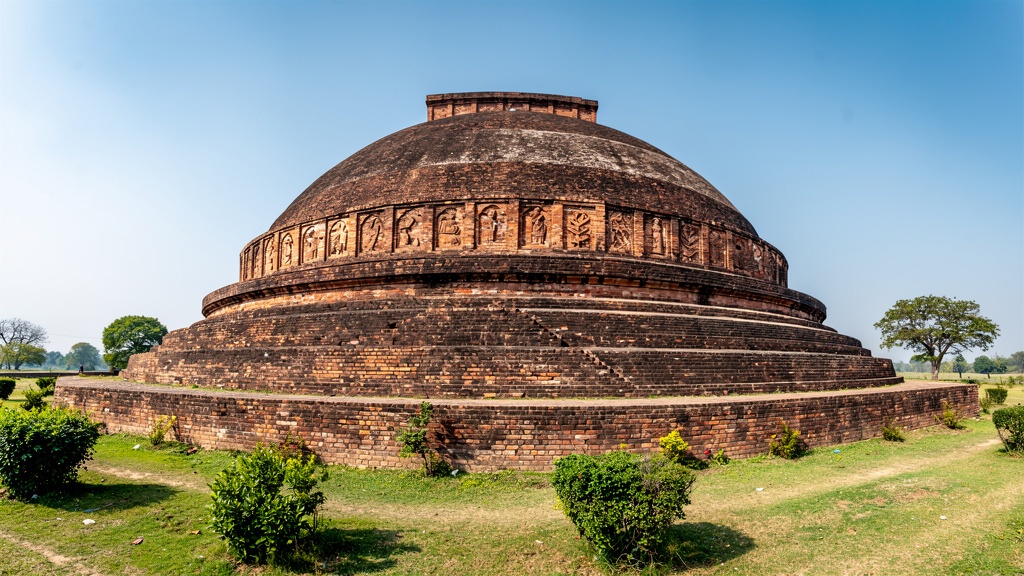
Kesariya Stupa
One of the largest Buddhist stupas in the world, dating back to between 200 BCE and 800 CE. Standing at 104 feet, it rivals the Boudhanath Stupa in Nepal. Located just ~45 km from Motihari.
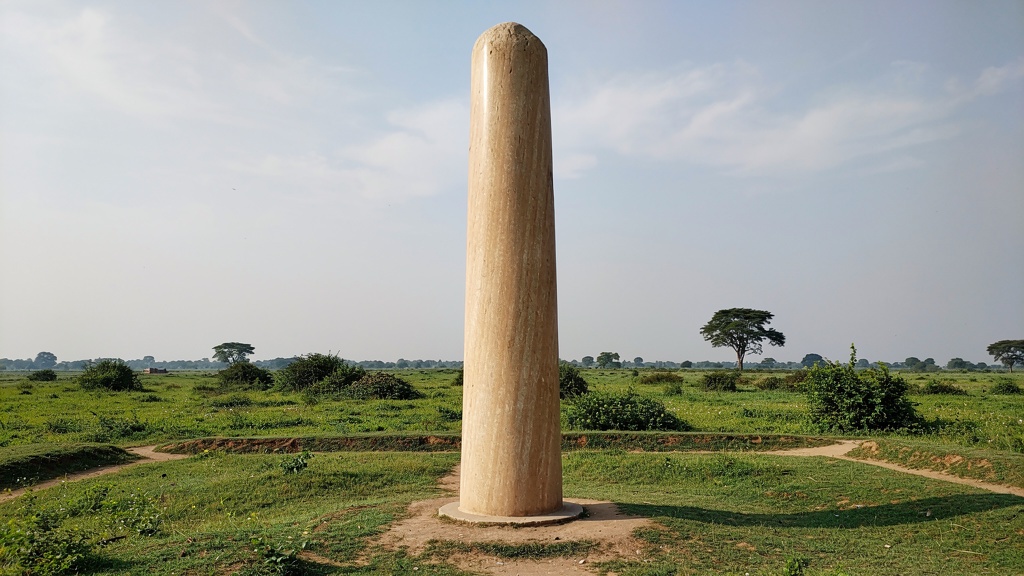
Ashokan Pillar, Lauriya
A magnificent polished sandstone pillar erected by Emperor Ashoka in the 3rd century BCE. The pillar features Ashoka's famous edicts and stands in excellent condition in the village of Lauriya, ~30 km from Motihari.
Research & Sources
This content is based on verified historical records and official sources:
- Official District Website — eastchamparan.nic.in
- Ministry of Tourism, Government of India
- Archaeological Survey of India (ASI) records
- Gandhi Sangrahalaya, Motihari archives
- The Orwell Society & literary biographies
Information verified as of July 2026. Timings and entry fees may change; please verify locally before visiting.